
The Golden Rule of Thermal Cooking
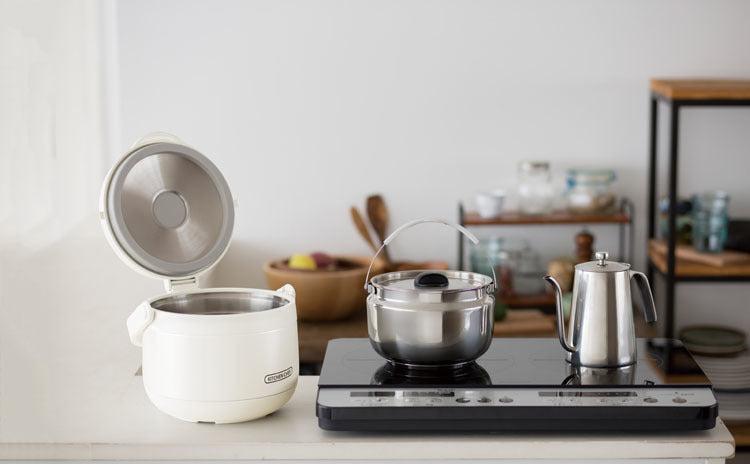
Understand the Two Pots:
- ✔ The Inner Pot: This is your cooking pot. It goes on the stove to boil food.
- ❌ The Outer Pot: This is the vacuum flask. NEVER put this on the stove or any heat source. It is for insulation only.
How Thermal Cooking Works
A thermal cooker is essentially a "cooking flask." It uses vacuum insulation to trap heat inside, allowing your food to continue cooking slowly without any gas or electricity.
- Boil first: You provide the initial heat on the stove using the inner pot.
- Trap the heat: You transfer the inner pot to the outer pot, trapping that high heat inside.
- Passive cooking: The food cooks itself in its own retained heat for hours.
The 4 Steps to Success
1. Heat the Inner Pot
(Bring ingredients to a rolling boil on the stove. Continue boiling for at least 15 minutes to ensure raw meat is fully cooked through.)
2. The Transfer
(Turn off heat. Immediately move the inner pot into the insulated outer pot.)
3. Lock in the Heat
(Close the outer lid securely to trap the temperature.)
4. Wait & Enjoy
(Leave for 1-8 hours. Food cooks passively and stays hot. Open and serve!)
☀ Pro Tip: Summer Cooking
The thermal cooker is excellent for summer as it keeps your kitchen cool. However, for maximum food safety during very hot weather:
- The 8-Hour Rule: If you plan to keep food in the cooker for longer than 8 hours, we recommend removing the inner pot and briefly re-boiling it on the stove.
- This simple step kills any potential bacteria and restores the high temperature, keeping your meal fresh and piping hot until you are ready to eat.
Part 2: Maintenance & Care
Cleaning the Stainless Steel Inner Pot
The inner pot is made of high-quality stainless steel. It is compatible with all cooktops and is durable enough for daily cooking.
Troubleshooting Common Marks
-
"I see white spots or rainbow marks."
These are mineral deposits from tap water (calcium) or starch from food (like potatoes). They are harmless. To remove them, simply wipe with lemon juice or vinegar, or use a stainless steel powder cleanser. -
"I see small rust spots."
This is often "water rust"—minerals sitting on top of the surface—rather than the metal itself rusting. To prevent this, always dry the pot and lid thoroughly immediately after washing. -
"Food is stuck on."
Fill the pot with water and boil it on the stove. The hot water will lift the debris naturally without hard scrubbing.
Important "Don'ts"
- Avoid Acids Overnight: Do not leave salt, vinegar, or lemon juice sitting in the pot overnight. Prolonged acid exposure can cause pitting corrosion.
- No Harsh Chemicals: Never use bleach or ammonia.
- Avoid Thermal Shock: Do not plunge a hot pot directly into ice-cold water. Let it cool slightly first.

COPYRIGHT WARNING: Content theft of any kind is immediately reported to Google, resulting in ranking penalties. The originality of texts can be verified in internet archives. My Cookware Australia® holds the copyrights for all the content on this site, including articles, product descriptions, and user guides.