

Regional Kilns: Crafting the Identity of Japanese Tableware
Last updated: 27 August 2026
When you browse for Japanese tableware on our website, you will notice we give a substantial part of each product description over to where the piece comes from. This article walks through the regions behind those descriptions and what distinguishes the ware each one produces.
Our specialist, Kai, wrote this guide to Japan's pottery regions. In this guide:
- Mino — around half of all tableware made in Japan.
- Seto — the kiln that gave Japanese its word for pottery.
- Kutani — the five-colour overglaze palette.
- Shigaraki — rustic stoneware and natural ash glaze.
- Arita — where Japanese porcelain began.
- Hasami — 400 years of everyday porcelain.
- Wakasa nuri — lacquerware, and Japan's chopstick heartland.
- Five common mistakes — what people misread on a label.
- Why it lasts — craft, safety and value.
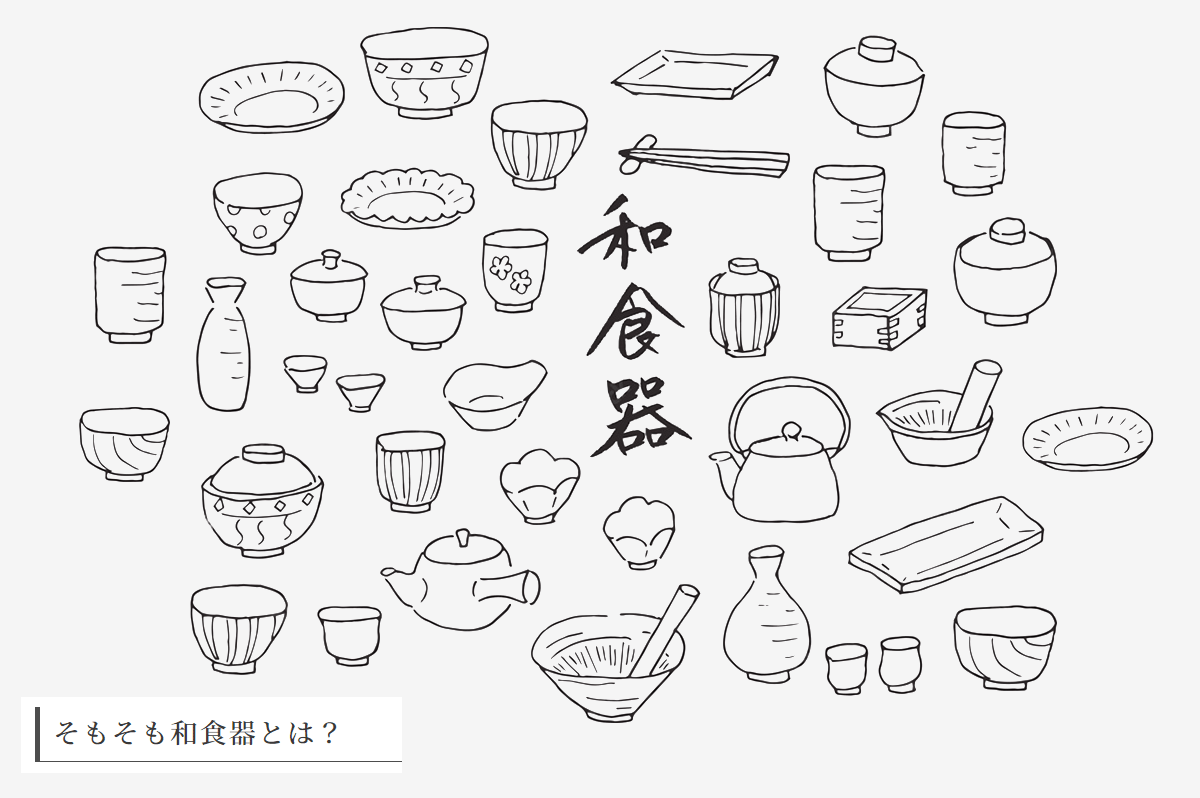
1. Mino Ware
Mino ware is one of the most widely used types of tableware in Japan, from the Mino region of Gifu Prefecture. It is made from a local clay high in silica and iron and low in alkaline content, which fires to a sturdy, durable body.
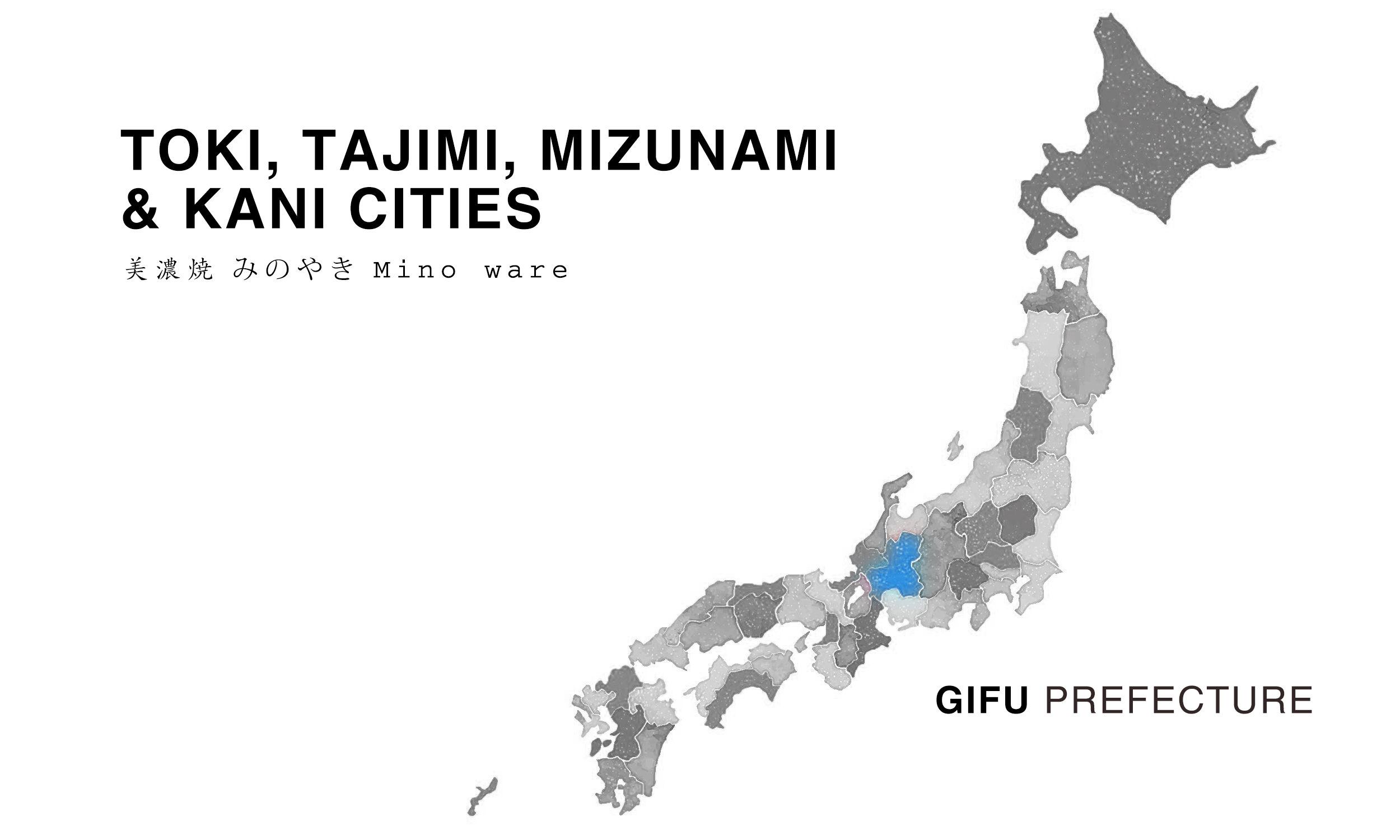
The glazes are typically made from natural raw materials and are food-safe for daily use. Today the Mino region produces around half of all tableware made in Japan, which is why it forms the largest part of our range — the Aito Mino Yaki Floral Pattern Dinnerware Set is a classic example.
2. Seto Ware
Seto ware, one of the Six Ancient Kilns of Japan, comes from the city of Seto in Aichi Prefecture. Its history spans two distinct traditions: ash-glazed stoneware with a warm, earthy surface, and sometsuke — blue-and-white porcelain painted in cobalt beneath a clear glaze.
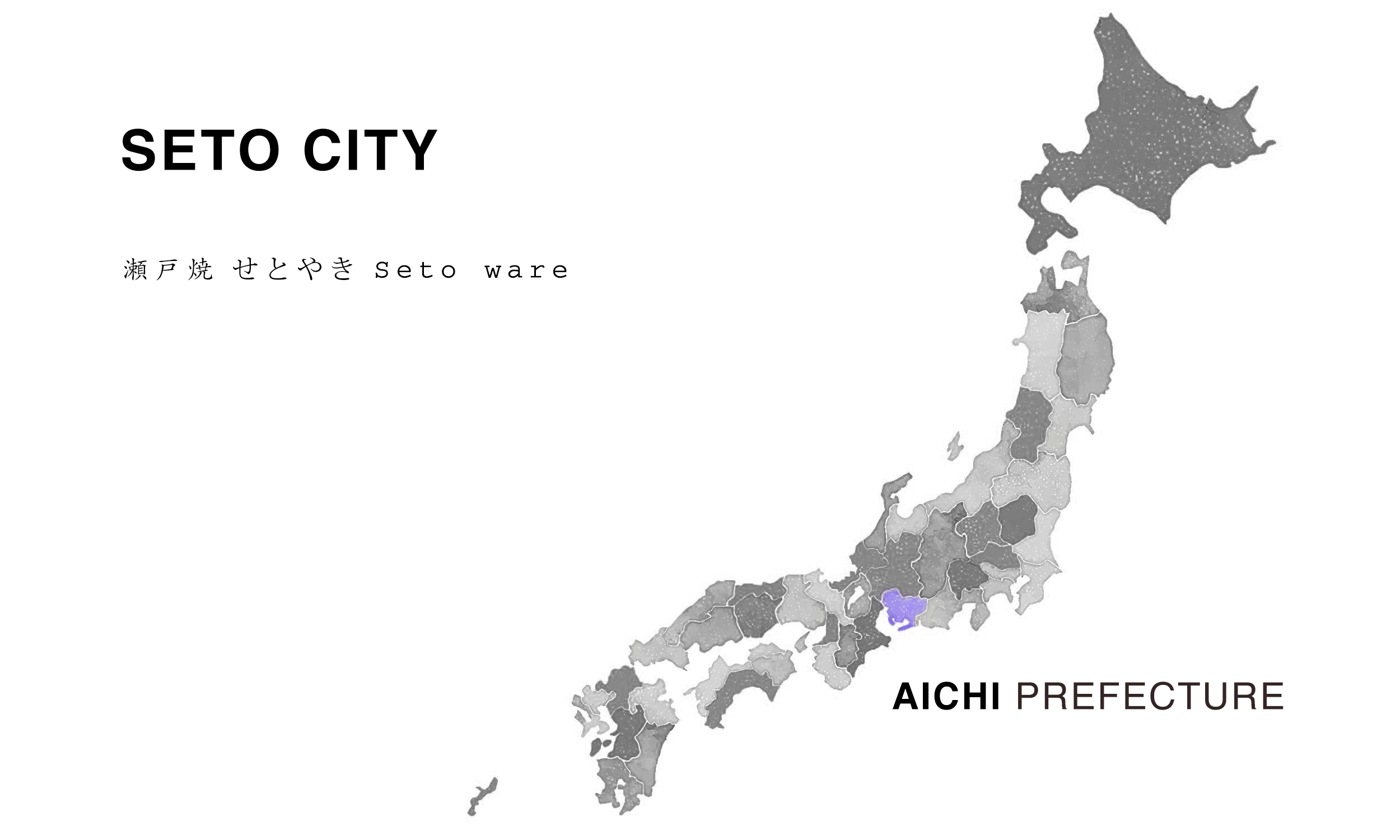
Seto's influence runs deep enough that setomono (瀬戸物, literally "things from Seto") became the everyday Japanese word for pottery itself. High-temperature firing gives Seto ware a dense body well suited to daily use. In our range, the Aito Seto Yaki Hana Dinner Plate is made in this tradition.
3. Kutani Ware
Kutani ware comes from Ishikawa Prefecture, and is known for bold overglaze painting.
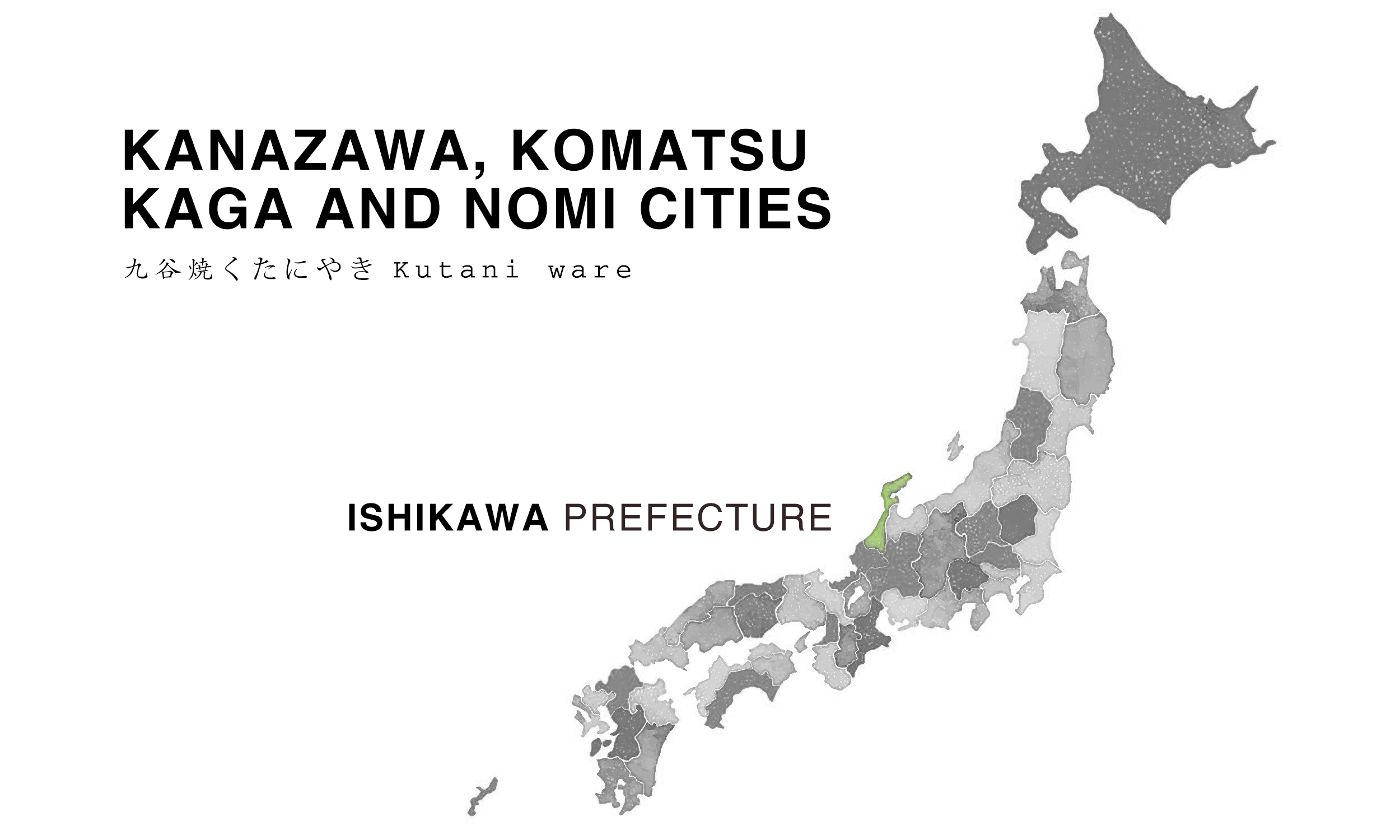
The signature is a five-colour palette — red, yellow, green, purple and navy blue — achieved with natural mineral pigments. That palette, and the density of the painting, is what sets Kutani apart from other Japanese ware. The overglaze enamels are fired at high temperature, so the colours hold through years of everyday use. The Atelier Yu Cats In Sunny Spot Handmade Mug is painted in this tradition.
4. Shigaraki Ware
Shigaraki ware, from Shiga Prefecture, is another of the Six Ancient Kilns and among the oldest pottery traditions in Japan. It is high-fired stoneware made from clay rich in feldspar, which together with the firing gives it a warm, rustic surface.
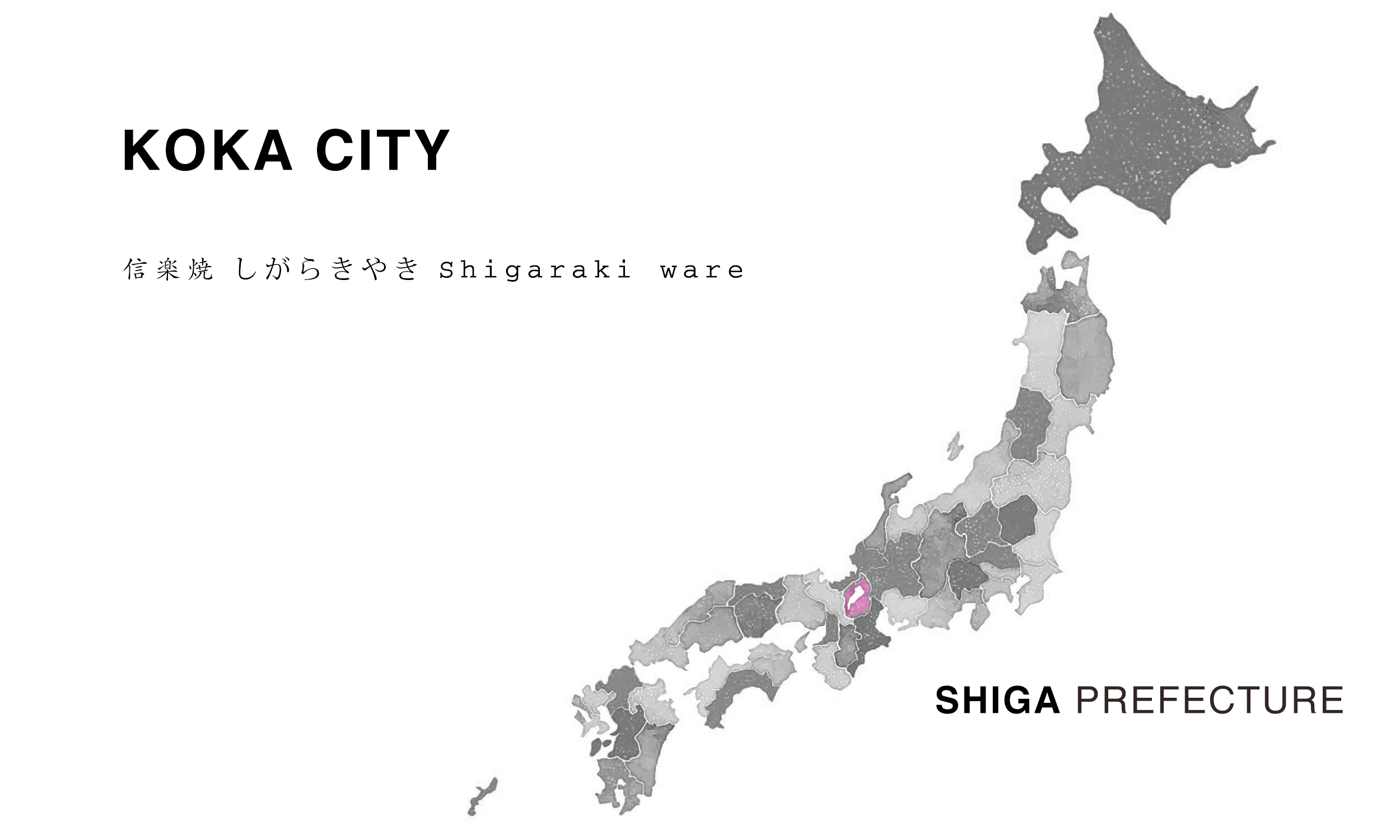
A natural ash glaze often forms during firing, and no two pieces take it the same way. The high firing temperature produces a dense, sturdy body well suited to serving food — the Shime Kinsai Cup carries this character. Shigaraki is also known across Japan for its ceramic tanuki statues, which stand outside shops and restaurants as symbols of good fortune.
5. Arita Ware
Arita ware comes from the town of Arita in Saga Prefecture, and holds a particular place in history as the birthplace of Japanese porcelain. After kaolin clay was found nearby in the early 1600s, Arita became the first region in Japan to produce true porcelain, exported to the world through the nearby port of Imari — which is why it is also known internationally as Imari ware.
Arita porcelain is valued for its fine white body, cobalt-blue underglaze painting and overglaze decoration. In our range it appears in the decorative tonbo-dama beads of the Awasaka Hyakumaru Tonbo-dama Chopsticks.
6. Hasami Ware
Hasami ware is produced in the town of Hasami in Nagasaki Prefecture, next to Arita. For around 400 years its kilns have specialised in porcelain for everyday use — historically the affordable, durable bowls that brought porcelain into ordinary households across Japan.
That focus continues: Hasami ware pairs plain, practical form with the durability of high-fired porcelain, as in our Saikai Classic Blue Bowl Set.
7. Wakasa Nuri
Not pottery, but it belongs here. Wakasa nuri is lacquerware from the city of Obama in Fukui Prefecture, built up in layers over a wooden core. Eggshell, silver foil and rice chaff are worked into those layers to produce the mottled, deep-sea effect the style is known for. The lacquer comes from the sap of the urushi tree, and once cured it forms a hard, food-safe film.
The Ishida Tenpei Wakasa-Nuri Chopsticks are made this way. The Wakasa region remains Japan's chopstick heartland, producing the majority of the country's lacquered chopsticks.

8. Five Common Mistakes
- A maker's name is not a kiln name. Words like "Seito" (製陶, ceramic manufacturing) or "Touki" (陶器, pottery) often appear in company names — Showa Seito, for example, is a Mino ware maker from Gifu, not Seto ware.
- Arita and Imari are the same porcelain. Imari is the port it was historically shipped from, not a separate kiln region.
- "Yaki" and "ware" mean the same thing. Mino Yaki and Mino ware are interchangeable — yaki (焼) simply means fired pottery.
- Shino and Oribe are glaze styles, not regions. Both belong to the Mino tradition.
- A seller's address is not the kiln region. Trading companies distribute ware from kilns all over Japan, so look for the stated region of origin rather than the company's location.
The Art, Safety and Value of Japanese Tableware
Japanese tableware sits somewhere between craft and utility. The pieces carry the marks of where and how they were made, and they are produced with food-safe materials meant for daily use rather than display.
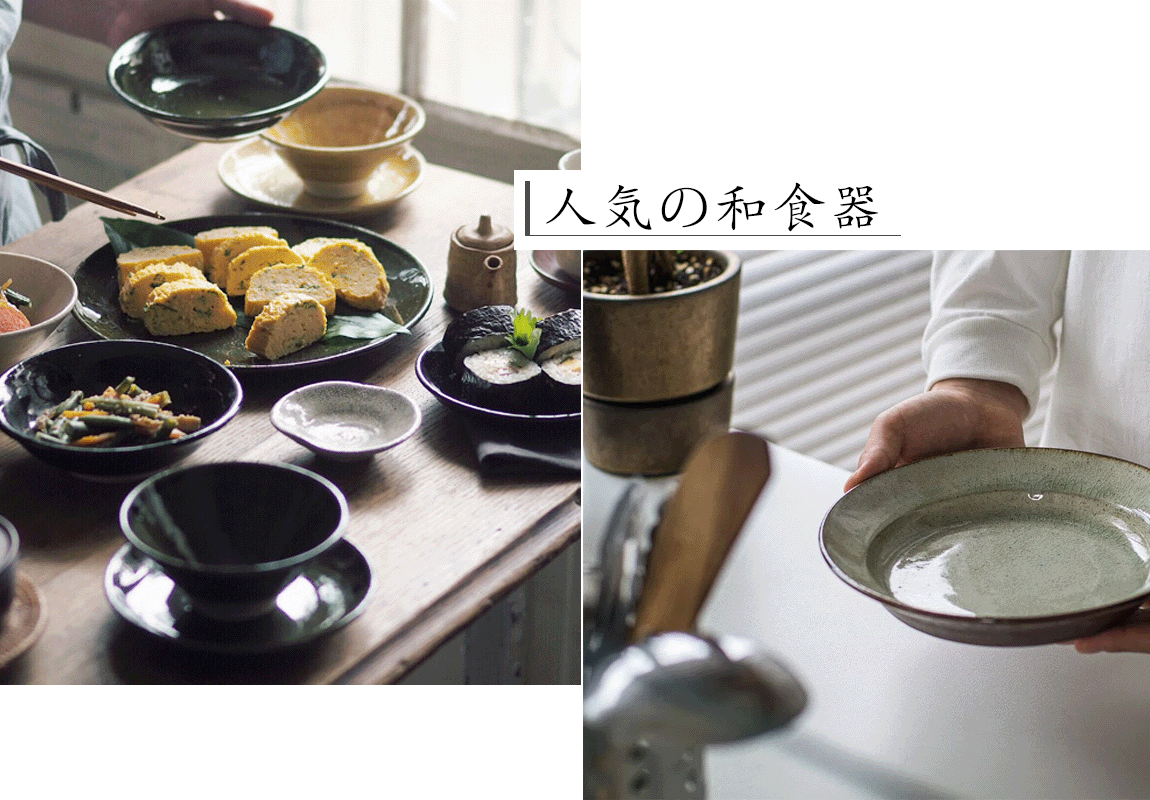
Against a market moving steadily towards mass production, what you are buying here is the human hand in the work — and pieces that, treated reasonably, stay in service for decades.
- A guide to Japanese tableware — the names, sizes and uses of each piece.
- Japanese tableware — the full collection, filterable by type, size and brand.
About the Author
Kai, the author of this article, is our product specialist at My Cookware®. For any questions, email hello@mycookware.com.au or use the chat box on this page.
COPYRIGHT WARNING: Content theft of any kind is immediately reported to Google, which results in ranking penalties. Original texts can be verified in internet archives. My Cookware Australia® holds the copyrights for all content on this site, including articles, product descriptions, and user guides.


